
Sarasota Hedging Services
Choose our professional hedging services for precise, healthy, and beautiful boundaries that enhance your property’s privacy, curb appeal, and long-term value.
Get a Free QuoteOur Sarasota Landscaping & Yard Care Services
When to Schedule Hedging in Sarasota, Florida – Seasonal Guide
In Sarasota, Florida, timing your hedging services is crucial for maintaining healthy, attractive landscapes. The region’s subtropical climate means that most hedging is best performed during late winter to early spring, just after the last expected frost and before the intense summer heat sets in. This window allows plants to recover quickly and encourages robust new growth, especially in neighborhoods like Palmer Ranch and around the lush grounds of The Ringling Museum.
Local environmental factors play a significant role in determining the best schedule for hedging. Sarasota’s sandy soils drain quickly, which can increase drought risk during dry spells, while high humidity and frequent afternoon showers in the summer can promote rapid plant growth. Areas with dense shade, such as those near Arlington Park, may require different timing compared to sun-exposed properties. It’s also important to consider municipal guidelines and neighborhood association rules, which can be found on official resources like the Sudbury town website, to ensure compliance with local restrictions.
Local Factors to Consider for Hedging in Sarasota
- Tree and shrub density on your property
- Terrain and soil type (sandy, well-drained soils are common)
- Seasonal precipitation patterns and drought risk
- Proximity to shaded areas or open sun
- Municipal or HOA restrictions on trimming and debris removal
- Timing of local frost dates and heat waves
Benefits of Hedging in Sarasota
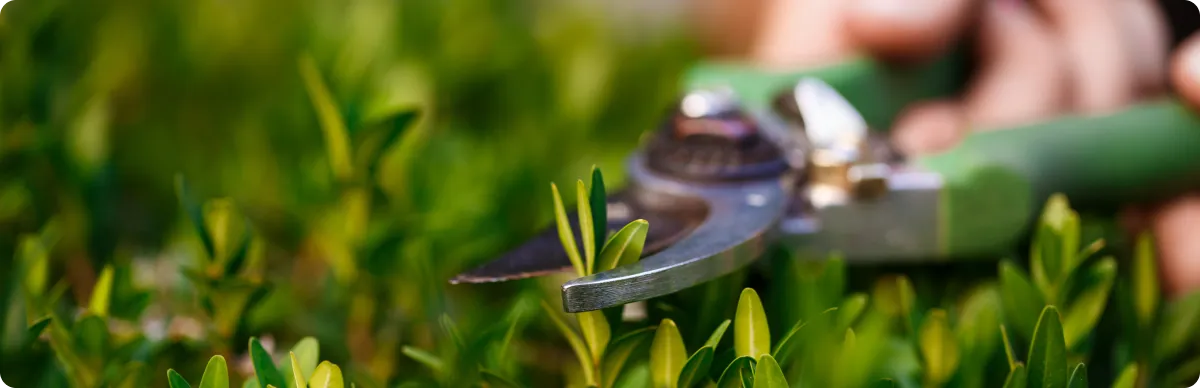
Enhanced Curb Appeal
Increased Property Value
Privacy and Noise Reduction
Expert Local Knowledge
Customized Hedge Designs
Year-Round Maintenance
Sarasota Hedging Types

Boxwood Hedges
-
Privet Hedges
-
Podocarpus Hedges
-
Clusia Hedges
-
Viburnum Hedges
-
Ficus Hedges
-
Jasmine Hedges
Our Hedging Process
Consultation and Planning
Site Preparation
Precision Trimming
Cleanup and Inspection
Why Choose Sarasota Landscape Services
-
Sarasota Homeowners Trust Us
-
Expert Lawn Maintenance
-
Reliable Scheduling
-
Competitive Pricing
-
Professional Team
-
Satisfaction Guarantee
-
Personalized Service
Coordinating Hedging Activities with Sarasota’s Parks and Recreation and Public Works
Hedging in Sarasota often intersects with city-managed landscapes, right-of-way boundaries, and public greenspaces. Residents and property managers must be aware that hedging along public sidewalks, medians, or near city-maintained stormwater features may require coordination with municipal departments. For example, hedges bordering public walkways must not obstruct pedestrian access or sightlines, and debris from trimming should never be left in swales or curb inlets. Sarasota’s Parks and Recreation Department oversees public greenspaces, while the Public Works Department manages stormwater systems and right-of-way maintenance. Before undertaking significant hedging projects adjacent to public property, verify if notification or review is required, especially in areas with high pedestrian or vehicular traffic. Routine maintenance on private property generally does not require city approval, but any work impacting public infrastructure or drainage features should be coordinated in advance.
City of Sarasota Parks and Recreation
801 N. Tamiami Trail, Sarasota, FL 34236
Phone: 941-263-6386
Official Website: City of Sarasota Parks and Recreation
How Sarasota’s Gulf Coast Climate and Soils Shape Hedging Needs
Sarasota’s Gulf Coast location brings a subtropical climate with high humidity, intense summer heat, and a pronounced wet season from June through September. These conditions influence hedging in several ways:
- Rapid vegetative growth during the wet season requires more frequent trimming to maintain shape and visibility.
- Predominantly sandy and fill-based urban soils, as identified by the USDA Web Soil Survey, can lead to quick drainage but also nutrient leaching, affecting hedge vigor and requiring careful fertilization.
- Proximity to canals, lakes, and stormwater swales means runoff from hedging debris or fertilizer can impact water quality, especially during heavy rains. Additionally, the USDA Plant Hardiness Zone for Sarasota is 10a, supporting a wide range of subtropical hedge species but also increasing the risk of fungal issues in dense plantings due to persistent humidity. Irrigation is often necessary during the dry season, but overwatering can exacerbate root diseases in poorly drained spots.
Regulatory Considerations for Hedging in Sarasota: Code, Permits, and Environmental Compliance
Hedging activities in Sarasota are subject to local code requirements, especially regarding height, visibility, and maintenance along public frontages. The City of Sarasota Code Compliance Division enforces standards related to overgrowth, sightline obstructions at intersections, and debris accumulation. While routine hedge trimming on private property typically does not require a permit, substantial alterations—such as removal of large hedgerows or work near protected trees—may trigger review by the city’s Tree Protection or Building Permitting offices. Residents should also be aware of environmental compliance requirements: keeping clippings and fertilizer out of storm drains is essential to protect local waterways, as outlined in the Florida DEP NPDES Stormwater Program. For properties using herbicides or pesticides in hedge maintenance, applicators must comply with FDACS pesticide licensing requirements.
City of Sarasota Code Compliance
1565 1st Street, Sarasota, FL 34236
Phone: 941-263-6417
Official Website: City of Sarasota Code Compliance
Professional Hedging Methods and Seasonal Timing for Sarasota Landscapes
Effective hedging in Sarasota requires attention to both plant health and municipal standards. Professional guidance recommends:
- Scheduling major shaping or reduction cuts in late winter or early spring, before the onset of vigorous wet-season growth.
- Performing light maintenance trims throughout the growing season to maintain form and prevent overgrowth into sidewalks or driveways.
- Avoiding heavy pruning during peak summer heat to reduce plant stress and minimize disease risk.
- Ensuring all debris is collected and disposed of according to city yard waste guidelines, never left in swales or near storm drains.
- Selecting hedge species adapted to Sarasota’s climate, such as podocarpus, viburnum, or Simpson’s stopper, which tolerate humidity and periodic salt exposure. For irrigation, consult EPA WaterSense Outdoors for efficient watering practices, and always verify current water restrictions with your utility provider, as schedules may change during drought or wet periods.
City of Sarasota Public Works
1761 12th Street, Sarasota, FL 34236
Phone: 941-263-6130
Official Website: City of Sarasota Public Works
What Neighborhoods Do We Serve Throughout Sarasota, FL?
- Downtown Sarasota: Features mature landscaping, smaller lots, and frequent pedestrian traffic, requiring careful hedge maintenance for visibility and access.
- Southgate: Known for mid-century homes with established hedges and irrigation systems, often adjacent to canals or swales.
- Indian Beach-Sapphire Shores: Coastal exposure and larger lots mean hedging must account for salt spray and wind, as well as drainage toward Sarasota Bay.
- Gillespie Park: Urban core context with compact lots and shade from mature trees, influencing hedge species selection and trimming frequency.
- Arlington Park: Mix of older and newer homes, with varying lot sizes and proximity to stormwater features, requiring attention to runoff and debris management.
- Laurel Park: Historic district with narrow streets and limited frontage, where hedging must not obstruct sidewalks or sightlines.
- Lido Key: Waterfront properties with high salt exposure and HOA landscaping standards, necessitating salt-tolerant hedge choices and regular maintenance.